
Imagine lying on warm sand with a gentle breeze brushing your skin, the last glow of a fiery sunset fading into twilight, and above you — an endless tapestry of stars stretching across the sky like sparkling diamonds scattered across black velvet. No city lights. No honking. Just silence, sand, and the humbling vastness of the cosmos.
This is the magic of sleeping under a million stars in a desert camp — an immersive, soul-stirring experience that blends adventure, culture, nature, and introspection in one unforgettable night. Whether you seek romance, tranquility, or a deeper connection with the natural world, the desert’s starry skies offer a spectacular backdrop for memories that last a lifetime.
Why the Desert?
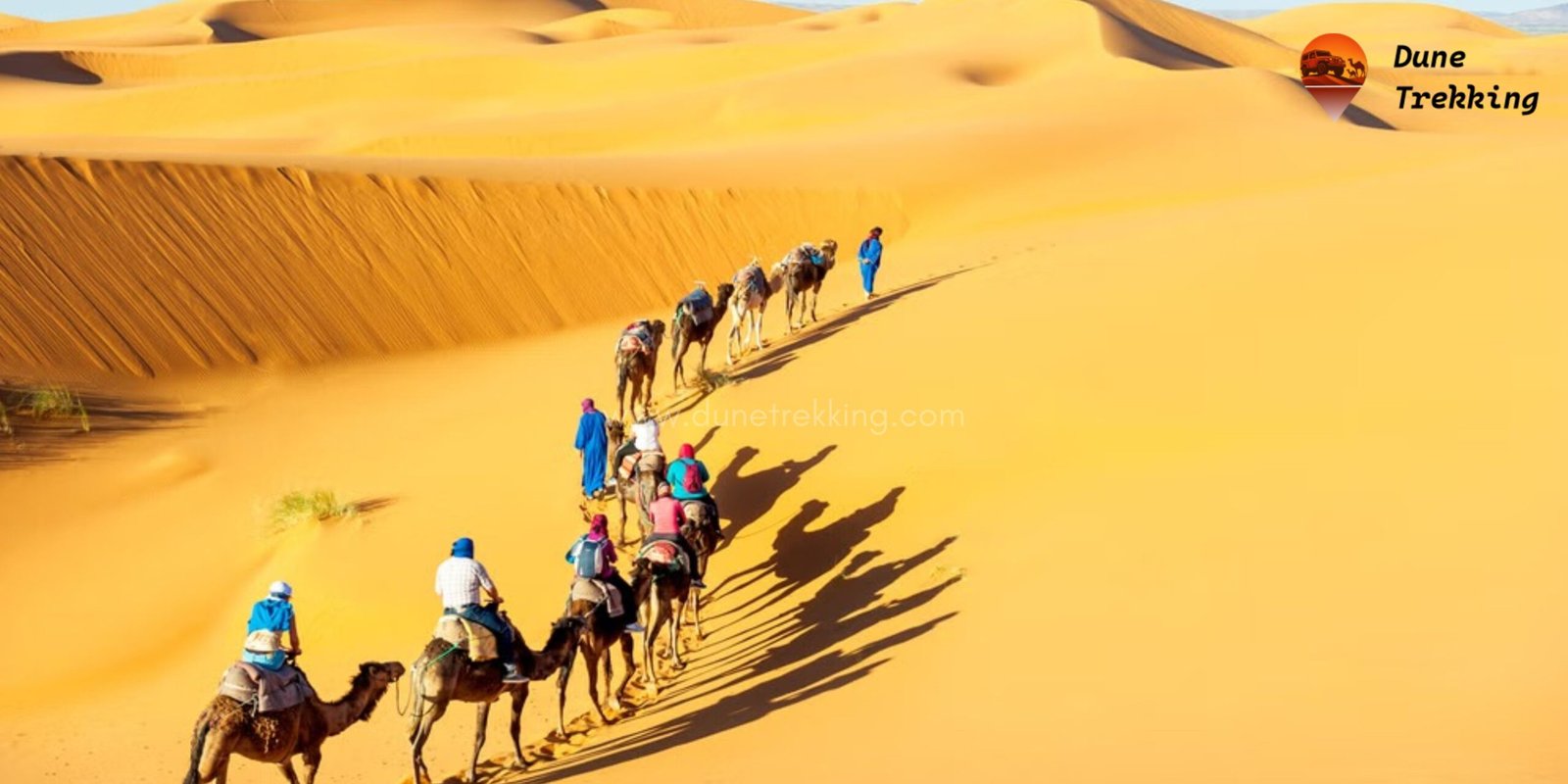
Deserts are unique landscapes — places of extremes and contrasts. By day, they can be sun-blasted expanses of rippling dunes and rocky plateaus. By night, they become one of Earth’s greatest natural observatories.
Minimal Light Pollution
Unlike urban centers that wash the night sky with artificial illumination, remote deserts provide almost zero light pollution. This allows stars, galaxies, and even faint celestial objects to appear with stunning clarity. In places like Jaisalmer’s Thar Desert or Morocco’s Sahara, you can often see the Milky Way glowing above you in sweeping bands of silver and white.
Clear Skies
The arid climate means low humidity and fewer clouds, which makes desert regions ideal for astrophotography and stargazing. Whether you’re an amateur astronomer or a casual dreamer, the night sky feels deeper, richer, and infinitely more alive here.
Cultural Richness
Desert camps don’t just show you stars — they introduce you to the heritage of desert life. In Rajasthan, India or Wadi Rum, Jordan, Bedouin and Rajasthani traditions add music, food, storytelling, and warm hospitality to your night under the heavens.
Setting Up the Scene: A Typical Desert Camp
While specific experiences vary by region and provider, most desert camps share several immersive elements:
1) Arrival and Welcome
Your desert experience usually begins in late afternoon. A welcoming drink, cool towels, and a brief orientation set the tone. Many camps — like those near Jaisalmer’s Sam Sand Dunes — also include sunset camel rides, a classic desert ritual that gently ushers you into the evening.
2) The Golden Hour
Before night falls, the desert puts on its signature show: the sunset. As the sun dips behind the dunes, golden light stretches across sand ridges, turning them into glowing waves. Photographers and dreamers alike find this moment one of the day’s highlights.
3) Dinner Under the Sky
Dinner is a communal desert feast — typically served around a bonfire. In Rajasthan, this might include dal baati churma, ker sangri, and other traditional dishes. The warmth of the fire, melodic folk music, and the aroma of spices enhance the atmosphere.
4) Cultural Programs
Many camps provide live performances: Kalbeliya dancers, folk musicians, and storytelling sessions. These cultural features bring the desert’s human history to life, complementing its natural grandeur.
5) Stargazing and Sleep
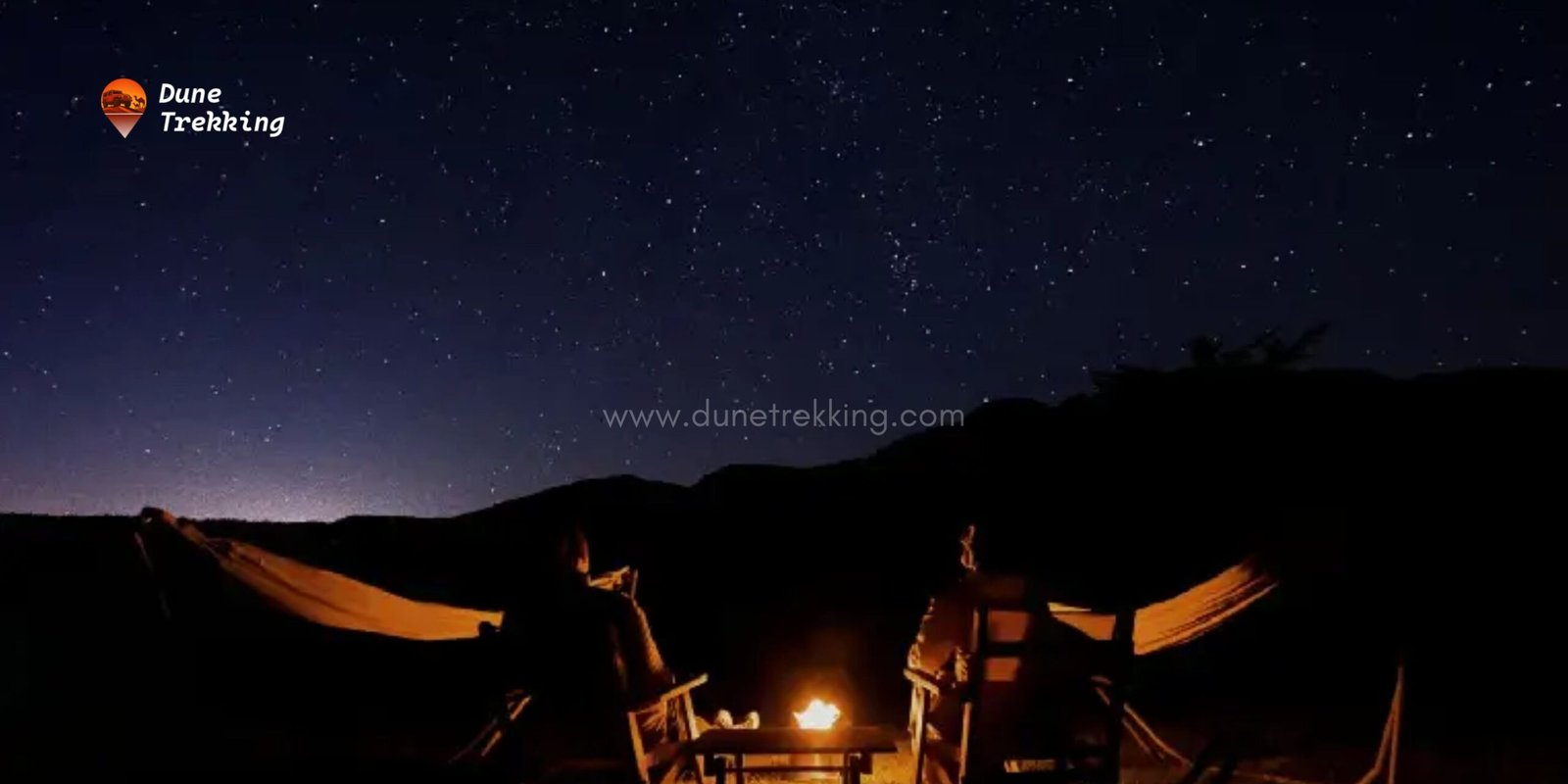
After dinner and performances, the spotlight shifts to above. Guided stargazing sessions, telescopes, or simply lying on a comfortable mat under the open sky — all let you immerse in the celestial spectacle. You can choose to sleep in a tent, a luxury glamping setup, or directly on the dunes under a star-filled sky.
Where to Experience It Around the World
Jaisalmer, Rajasthan, India
The Thar Desert around Jaisalmer is one of India’s most famous spots for desert camping. Sam Sand Dunes and Khuri offer vast open skies, cultural performances, camel safaris, and night-long stargazing opportunities. The complete package of adventure, culture, and astronomy makes it a top choice for travelers.
Pushkar Desert, Rajasthan, India
Close to the spiritual town of Pushkar, desert camps combine relaxation with cultural immersion — folk music, camel rides, and starlit evenings. Perfect for couples, families, and solo travelers alike.
Sahara Desert, Morocco
Experiences like the AstroCamp in Merzouga focus heavily on astronomy. With expert guides and telescopes, guests learn about constellations, planets, and distant galaxies before spending the night in traditional Berber camps.
Wadi Rum, Jordan
Known as a UNESCO Dark Sky Reserve, Wadi Rum’s clear, elevated desert sky is perfect for spectacular night sky views. Some camps offer transparent dome tents or stargazing sessions guided by astronomy experts.
Tips for the Ultimate Desert Camping Night
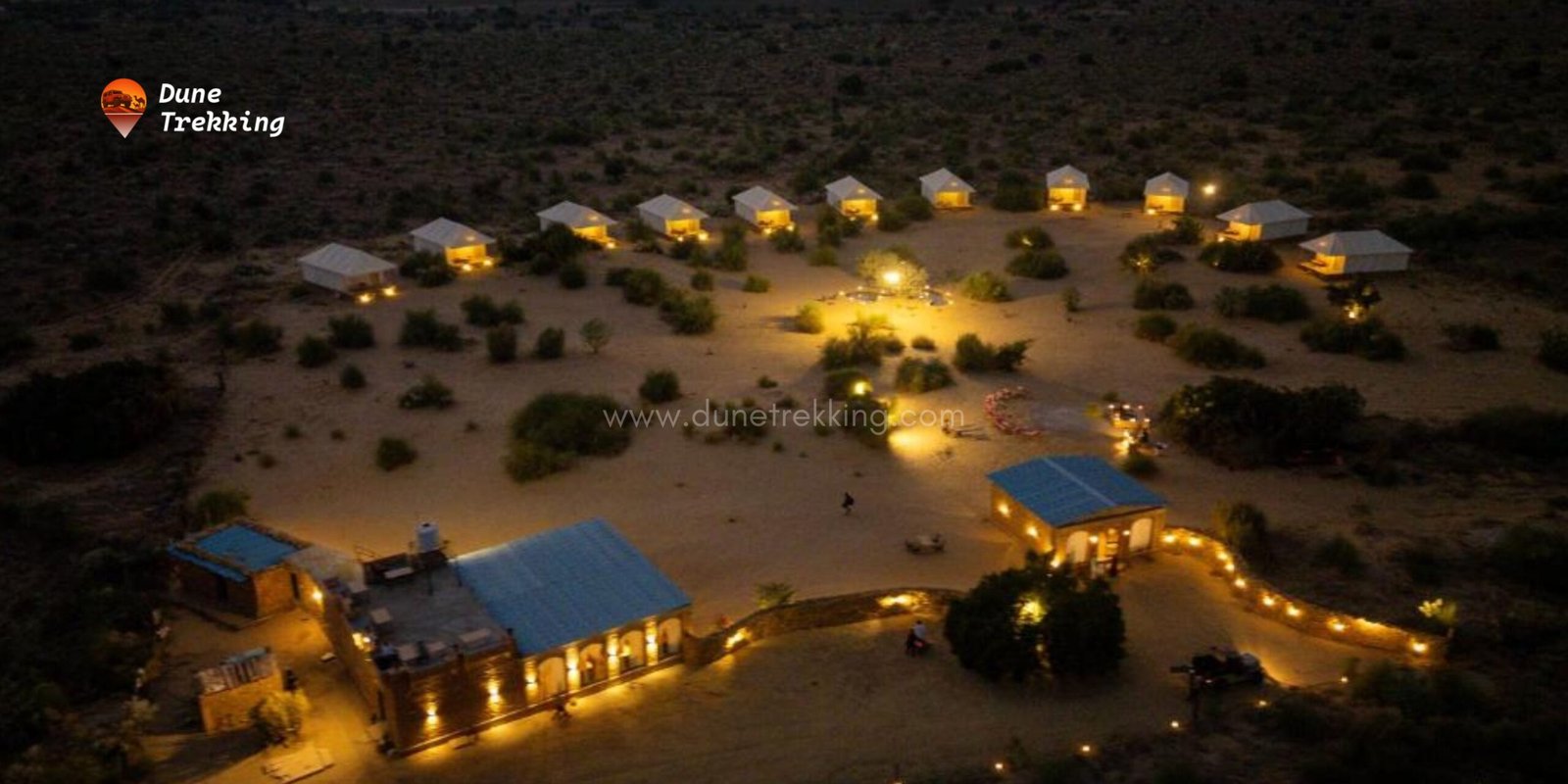
To make your desert adventure truly unforgettable, here are some pro tips from travelers and camp guides:
Dress in Layers
Desert days can be hot, but nights get chilly. Bring a warm jacket or layers you can add once the temperature drops.
Comfortable Gear
Even if you’re glamping, a comfortable sleeping bag or blanket adds to your comfort. If you plan real stargazing, bring binoculars or a camera with long-exposure settings.
Capture the Moment
Astrophotography enthusiasts often recommend wide-angle lenses and tripods for capturing star trails and the Milky Way. But even a simple night-mode shot on a modern smartphone can capture breathtaking sky images.
Stay Hydrated
The desert air is dry — drink plenty of water during the day and night to avoid dehydration.
Check the Moon Phase
A new moon night offers the darkest sky and the best stargazing conditions. A full moon is beautiful, but it can wash out faint details in the stars.
Who Should Try Sleeping Under the Stars?
This experience appeals to a wide range of travelers:
Romantic Couples — A starlit night in the desert is the ultimate romance setting.
Nature Lovers — If you love skywatching, wildlife, and natural landscapes, this is a dream.
Adventure Seekers — Combine jeep safaris, camel treks, sandboarding, and stargazing.
Families — Safe, guided camps with cultural programs and activities for kids.
Photographers & Astronomers — Plenty of celestial beauty to study and capture.
FAQs — Desert Camping and Stargazing
Here are some commonly asked questions based on what people search online when planning their desert star-sleep adventure:
What exactly is “sleeping under a million stars”?
It means spending a night in open desert territory where there’s almost no artificial light, allowing for an incredibly clear and dense view of stars overhead — often thousands more than you’d see in a city sky.
Do I need camping experience to enjoy this?
Not at all. Most desert camps offer guided experiences with comfortable tents, meals, and staff to assist you. You can even enjoy luxury desert glamping without prior camping skills.
Is it safe to sleep in the desert at night?
Yes — in organized camps safety is a priority. Staff handle lighting, food, security, and emergency needs. Always choose reputable camps. Solo, unsupported camping is only recommended for seasoned adventurers.
What should I pack?
Essentials include layered clothing, a sleeping bag or blanket, water, sunscreen, hat, sunglasses for day hikes, and a flashlight or headlamp. For stargazing, bring binoculars or a camera if possible.
What time of year is best?
Winter and shoulder seasons (October–March) are popular in many deserts (like Rajasthan and Morocco) because nights are cool and skies are clear. Summer can be extremely hot during the day.
Are meals included?
Most camping packages include at least dinner and breakfast — often featuring local cuisine around a bonfire. Luxury camps might offer multi-course meals or themed dining under the stars.
Can I see constellations and planets?
Absolutely! With minimal light pollution, you’ll often see the Milky Way, constellations like Orion, planets like Jupiter or Saturn, and even shooting stars during meteor showers.
Final Thought: More Than Just a Night Out
Sleeping under a million stars isn’t just an activity — it’s an experience that reconnects you with nature, slows down time, and reminds you of your place in the universe. Whether you’re sharing it with a loved one, teaching kids about the cosmos, or simply enjoying the stillness of the desert, this journey leaves a lasting imprint on your heart.
Some experiences are meant to be lived, not just read about — and this is definitely one of them.